

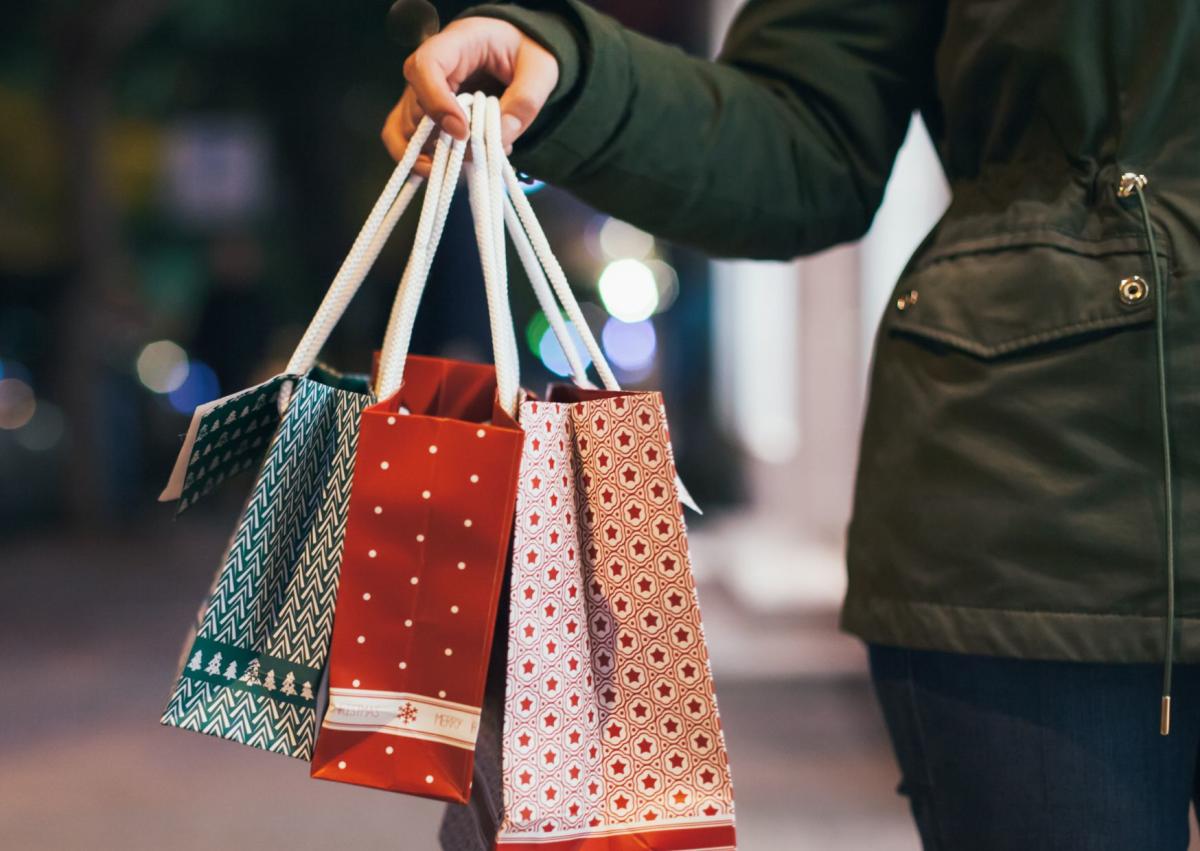
Shopping, once a straightforward exchange of goods for currency, has evolved into a complex cultural phenomenon. In its modern form, it transcends mere utility and has become an expression of identity, a social ritual, and a source of both pleasure and anxiety. The act of shopping—whether done in a bustling marketplace, a glossy department store, or via the flick of a thumb on a smartphone—reveals much about who we are, what we value, and how we relate to the world around us.
At its core, shopping is about choice. In ancient marketplaces, those choices were relatively simple: produce, textiles, and tools, all designed to meet immediate physical needs. Today, consumers are faced with a dizzying array of options, not only in terms of products but also in how and where they shop. The digital revolution has ushered in an era of instant access and global availability. One can purchase a handmade ceramic from Japan or a couture dress from Paris without leaving the comfort of a living room. This convenience, while liberating, has also redefined our relationship with consumption.
E-commerce giants such as Amazon, Alibaba, and Shopify have fundamentally altered the retail landscape. Their success is built on algorithms, data analytics, and the seamless fusion of logistics and user experience. With personalized recommendations, next-day delivery, and 24/7 accessibility, online shopping caters to a desire for immediacy and efficiency. Yet, as shopping becomes easier, it also risks becoming more impersonal. The serendipity of discovery, the tactile satisfaction of touching a fabric or flipping through a book’s pages, is largely absent in the digital realm. This has created an unexpected paradox: while online platforms thrive, there is a simultaneous yearning for authenticity and tangible experiences.
This craving for connection has given rise to the renaissance of experiential retail. Brick-and-mortar stores, rather than fading into obsolescence, are adapting by offering more than products—they offer immersive environments. Flagship stores are now designed to engage all five senses, blending art installations, live demonstrations, and curated atmospheres. Whether it’s a candle boutique offering scent workshops or a clothing store that doubles as a café and co-working space, retailers are reimagining shopping as an event rather than a transaction. Consumers are not merely buying; they are participating.
The psychology of shopping is equally intriguing. While some view it as a necessity or chore, others find in it a source of joy or even therapy. The term “retail therapy” is more than a cultural quip—it reflects a genuine emotional response. Shopping can provide a sense of control, reward, or self-expression. A carefully chosen outfit can boost confidence; a thoughtful gift can strengthen bonds; even the simple act of browsing can soothe an anxious mind. However, this emotional dimension also brings pitfalls. Compulsive shopping, credit dependency, and the environmental cost of fast fashion have emerged as serious concerns in a world driven by consumerism.
Sustainability is perhaps the most pressing theme in contemporary shopping culture. With climate change and resource scarcity dominating global discourse, conscious consumption is no longer a niche concern but a mainstream imperative. Consumers are increasingly scrutinizing brands for their ethical practices, environmental impact, and transparency. The rise of slow fashion, zero-waste packaging, and second-hand markets illustrates a growing movement toward mindful shopping. Retailers, in turn, are responding by embracing circular economy models, offering recycling programs, and highlighting provenance and craftsmanship in their narratives.
The generational divide in shopping habits also deserves mention. Baby Boomers, Gen X, Millennials, and Gen Z all bring distinct attitudes to the act of purchasing. Older generations may prioritize quality, longevity, and customer service, whereas younger consumers often seek immediacy, trend alignment, and social proof. Social media platforms, particularly Instagram and TikTok, have become virtual storefronts where influencers shape tastes and drive purchasing behavior. For younger demographics, shopping is increasingly about storytelling—where a product comes from, who endorses it, and what owning it communicates to the world.
Globalization has further complicated the shopping experience. On one hand, it has democratized access, allowing consumers in remote areas to enjoy the same brands and services as those in major urban centers. On the other, it has blurred cultural lines and homogenized tastes, raising questions about authenticity and local identity. Amid this tension, there is a resurgence of interest in artisanal goods, regional specialties, and community-based commerce. Farmers’ markets, pop-up shops, and local cooperatives offer a counterbalance to the omnipresence of global retail chains, reminding us that shopping can also be a celebration of place and tradition.
Technology continues to push boundaries with innovations like augmented reality (AR), virtual fitting rooms, and voice-activated shopping assistants. These tools enhance convenience and personalization, making it easier for consumers to visualize and select products that fit their exact needs. Yet, amid this digital sophistication, the emotional and social dimensions of shopping endure. People still seek connection, inspiration, and joy—elements that cannot be fully replicated by algorithms or automation.
In conclusion, shopping in the 21st century is a nuanced and multifaceted experience. It is no longer solely about acquiring things, but about curating a life, expressing values, and navigating a world of endless options. The act of shopping has become a mirror of our times—reflecting the interplay between technology and tradition, convenience and conscience, individuality and community. As consumers, we are more empowered than ever, but also more responsible. How we choose to shop—and what we choose to support—shapes not only our personal lives but the world we inhabit. And in that everyday act, often underestimated, lies a profound potential for impact.